Memory is not held in water, touch, or time, but in ritual.
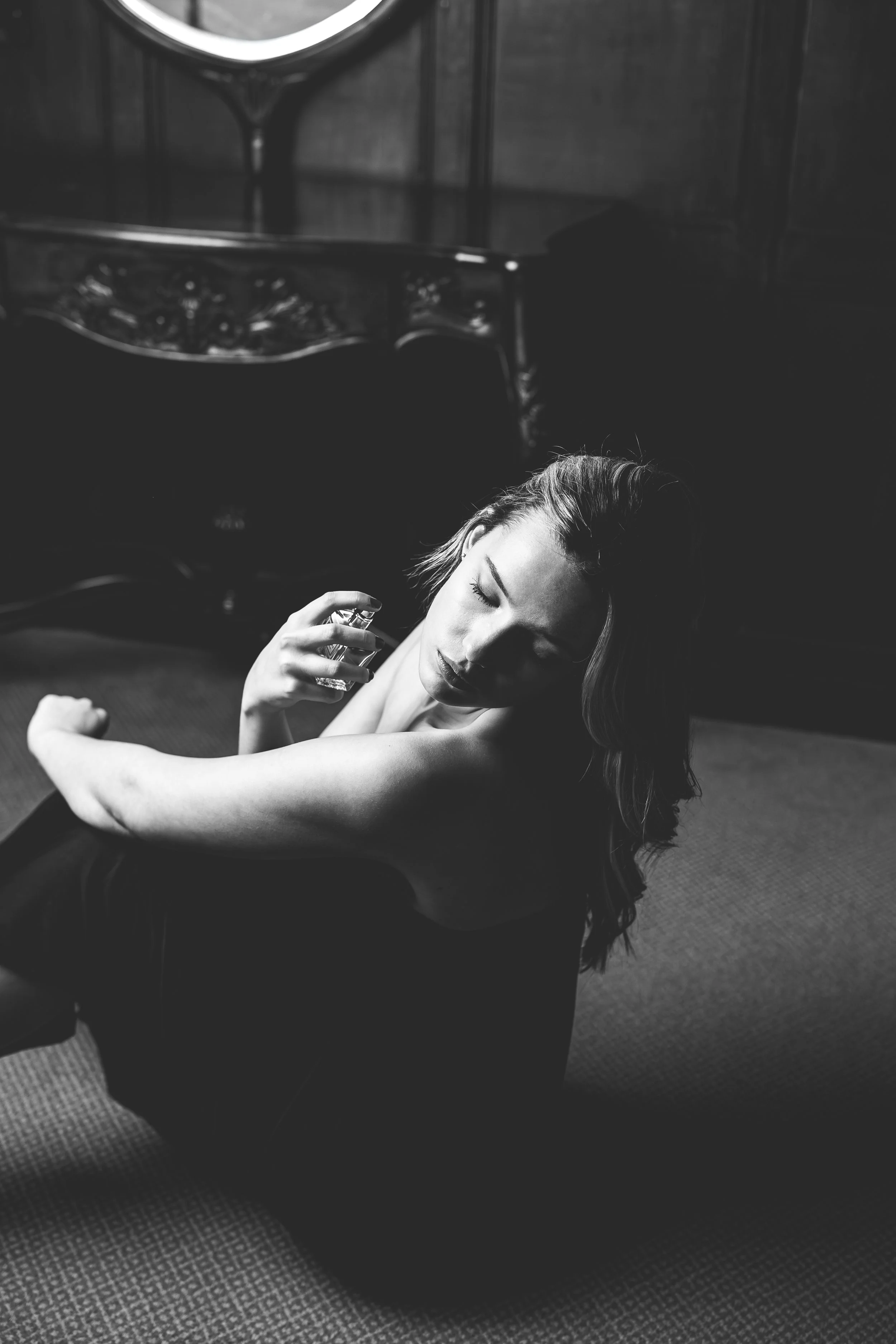
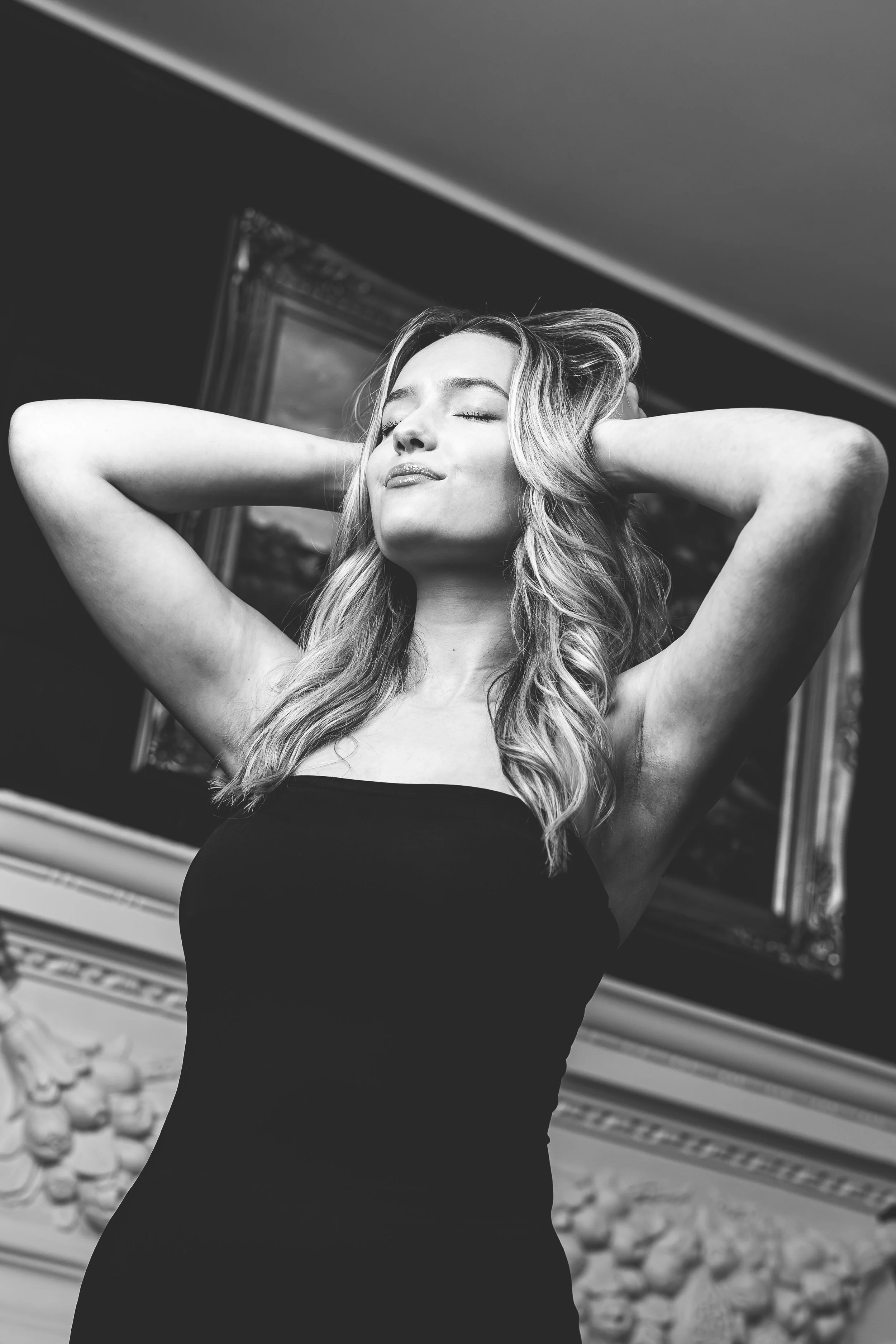
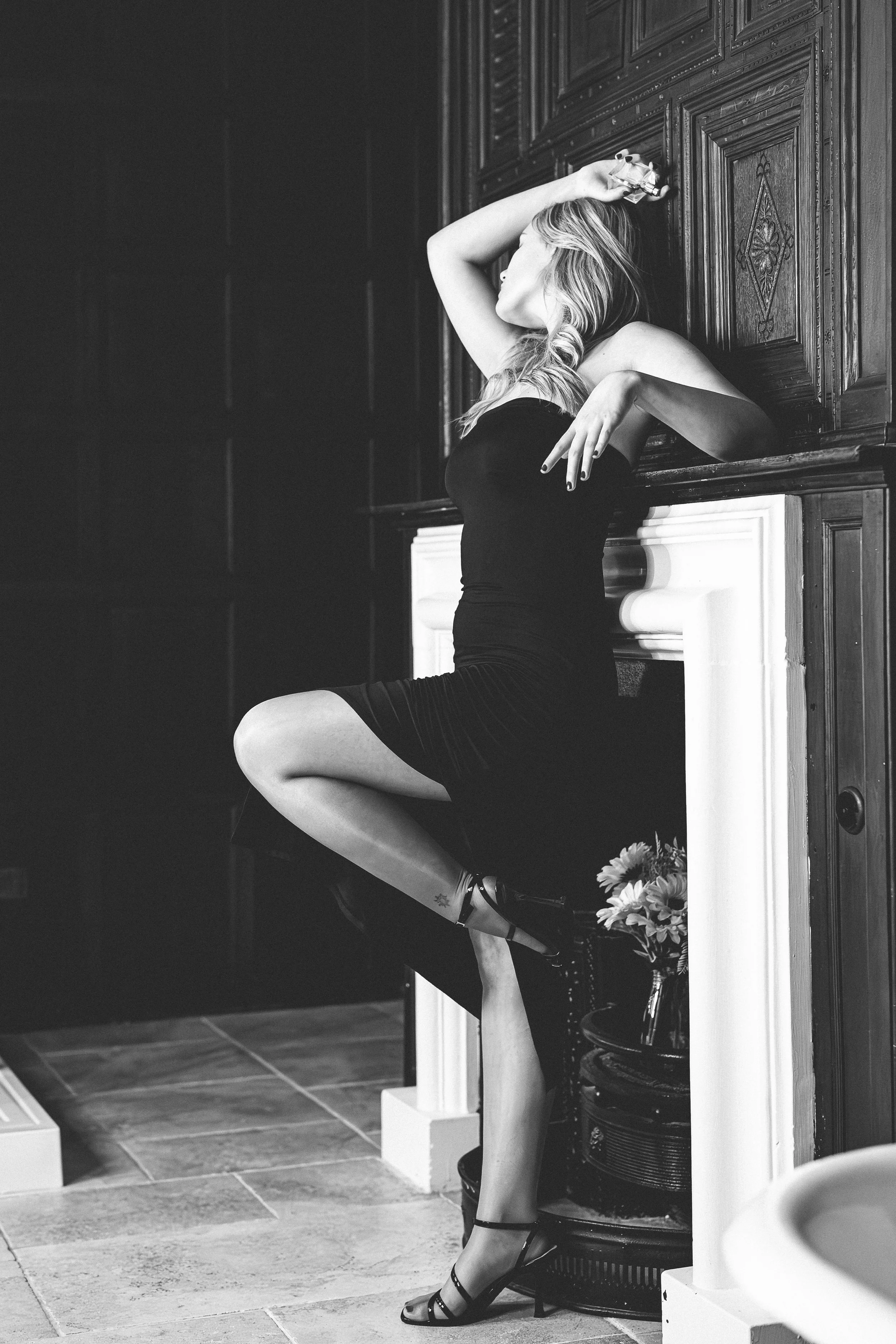
This editorial positions fragrance as a substitute for intimacy—a way of preserving what no longer consents to stay. Set within a grand mansion, she moves through its rooms like a living archive. Each space is saturated with scent, each fragrance sealing a version of him she refuses to relinquish. Love lingers first—heavy, indulgent, almost devotional. But memory does not remain tender.
What begins as longing sharpens into obsession. Affection calcifies. The same scents that once comforted her now provoke. Memory replaces intimacy; ritual replaces touch. She is no longer remembering him—she is reacting to his absence.
As the editorial progresses, her mood fractures. Love collapses into rage. Restraint gives way to aggression—gestures sharpen, posture hardens, gaze turns confrontational. In a private bathing chamber, she faces the mirror, and her reflection begins to distort. The image fractures, her expression shifts, and with it her personality—controlled devotion giving way to something harsher, volatile. The mansion that once felt like a sanctuary becomes a pressure chamber. What he left behind fills the space, but it no longer soothes—it suffocates. She sustains it through ritual, even as it corrodes her.
In the final frames, she lies fully dressed in an empty bathtub, heels still on. There is no water, no cleansing, no relief. The pose is intimate, but her body is rigid with tension. Desire is staged, not satisfied. Scent replaces immersion. Memory replaces intimacy. What he left behind fills the space. She sustains it through ritual.
This is not a story about loss. It is about what survives when intimacy dies—and refuses to stay buried.